September 25, 2026
millerins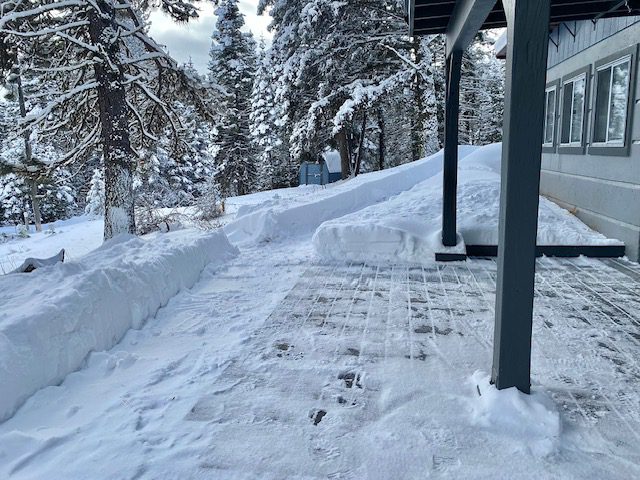
How to best prepare my home for winter to avoid insurance claims
The best way to avoid winter insurance claims is to focus on the issues that generate the most homeowner losses: frozen pipes, roof damage, water intrusion, heating system failures, fires, and slip-and-fall injuries.
1. Protect Plumbing From Freezing
Water damage from burst pipes is often one of the most expensive winter losses.
Before freezing temperatures arrive:
- Disconnect and drain garden hoses.
- Shut off and winterize exterior faucets if possible.
- Insulate exposed pipes in crawlspaces, garages, and unfinished basements.
- Seal air leaks around pipes entering the home.
- Keep indoor temperatures consistent, even when traveling.
- If you’ll be away, have someone check the home regularly.
During cold snaps:
- Open cabinet doors under sinks on exterior walls.
- Let faucets drip slightly if temperatures become extremely cold.
2. Prevent Ice Dams and Roof Leaks
Snow and ice buildup can force water under shingles and into ceilings.
Checklist:
- Inspect roof shingles for damage before winter.
- Clean gutters and downspouts.
- Ensure attic insulation is adequate.
- Seal attic air leaks to reduce heat escaping into the roof.
- Trim tree branches that could break under snow loads.
If significant snow accumulates, safely remove excess roof-edge snow using a roof rake from the ground.
3. Service Your Heating System
Heating failures can lead to frozen pipes and carbon monoxide risks.
Annually:
- Have furnaces, boilers, and heat pumps inspected.
- Replace HVAC filters.
- Test all thermostats.
- Clean dryer vents and exhausts.
Install:
- Carbon monoxide detectors on every level.
- Fresh batteries in smoke alarms.
4. Watch for Water Intrusion
Even small leaks can become major claims.
Inspect:
- Attic for signs of moisture.
- Basement and crawlspace for seepage.
- Window and door caulking.
- Foundation cracks.
Consider a water leak detection system with automatic shutoff if your home is newer or you travel frequently.
5. Reduce Fire Risks
Winter sees increased use of fireplaces, heaters, and holiday lighting.
Fireplace and wood stove:
- Have chimneys inspected and cleaned.
- Use a spark screen.
- Keep combustibles at least 3 feet away.
Space heaters:
- Place on a stable surface.
- Never leave unattended.
- Plug directly into wall outlets.
6. Prepare for Snow and Ice Liability
Homeowners can face claims if visitors are injured.
Keep on hand:
- Snow shovel or snow blower
- Ice melt
- Sand or traction material
Clear:
- Driveways
- Walkways
- Steps
- Mailbox access areas
Do this promptly after storms.
7. Winterize the Exterior
- Inspect siding and flashing.
- Secure loose fencing.
- Store outdoor furniture.
- Cover or drain irrigation systems.
- Remove dead trees or hazardous limbs.
8. Prepare for Power Outages
Especially important during severe winter storms.
Have:
- Flashlights and batteries
- Backup heat source (used safely)
- Portable generator (operated outdoors only)
- Battery backups for sump pumps if applicable
9. Review Your Insurance Coverage
Many homeowners discover gaps only after a loss.
Verify:
- Dwelling coverage reflects current rebuilding costs.
- Deductibles are appropriate.
- Sewer/water backup coverage is included if needed.
- Valuable items are scheduled if necessary.
- Liability limits are adequate.
Winter Readiness Checklist
✅ Furnace serviced
✅ Gutters cleaned
✅ Pipes insulated
✅ Smoke and CO detectors tested
✅ Roof inspected
✅ Ice melt stocked
✅ Chimney cleaned
✅ Tree limbs trimmed
✅ Emergency supplies ready
✅ Insurance policy reviewed
I’d pay particular attention to frozen pipes, roof snow loads, ice dams, and power outage preparedness, since those are among the more common winter concerns in our region. A weekend spent addressing those areas before the first hard freeze can eliminate a large percentage of preventable winter insurance claims.
Categories: Blog
Tags: Best home insurance, best home insurance washington state, Home Insurance, home insurance everett wa, home insurance quote everett wa, Home Insurance Washington State, insurance agency everett wa, insurance agent everett wa, insurance everett wa, the miller insurance agency everett wa