October 15, 2026
millerins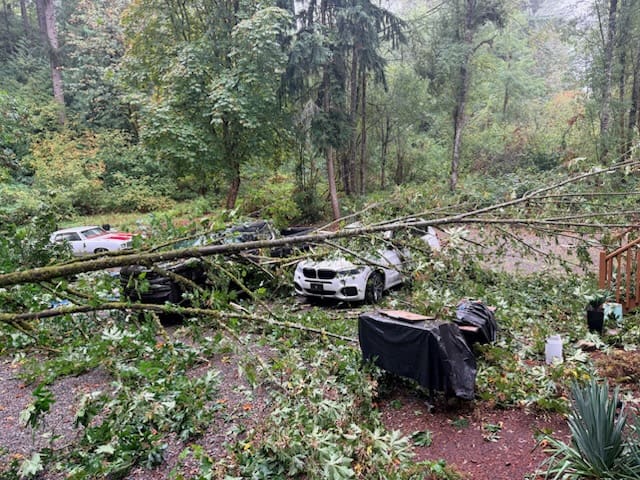
Is it a good idea to remove insurance coverage from a vehicle, motorcycle, or RV that I still own, but am not using it? at this time?
In most cases, completely removing insurance coverage from a vehicle, motorcycle, or RV that you still own is not a good idea, even if you’re not currently using it.
Here are the key considerations:
Reasons to Keep Some Coverage
1. Your Asset Still Has Value
Even when parked, a vehicle can be damaged by:
- Fire
- Theft
- Vandalism
- Falling trees or branches
- Hail, wind, or other weather events
- Flooding
If you remove coverage entirely, you would absorb the full financial loss yourself.
2. Liability Exposure Can Still Exist
Depending on the circumstances, a parked vehicle can still create liability issues. For example:
- An RV parked on your property could injure someone.
- A vehicle could roll or cause property damage.
- Someone could access and operate it without permission.
- If you forget to inform your insurer that you are driving the vehicle again and get into an accident you may be without coverage.
While these situations are less common, they can occur and could leave you exposed to a liability claim.
3. Lenders Usually Require Coverage
If there’s still a loan on the vehicle, motorcycle, or RV, the lender typically requires physical damage coverage (comprehensive and collision). Cancelling coverage may violate the loan agreement.
4. Insurance Gaps Can Create Problems
Some carriers offer discounts for continuous insurance history. If you cancel coverage entirely and later insure the vehicle again, you may:
- Lose continuous insurance discounts.
- Face higher premiums.
- Have additional underwriting questions.
A Better Alternative: Storage Coverage
Many insurers offer a “storage,” “lay-up,” or reduced-use option.
Common approaches include:
- Removing collision coverage while the vehicle is in storage.
- Keeping comprehensive coverage.
- Suspending liability coverage when legally permitted.
- Reducing mileage classifications.
This often provides substantial premium savings while still protecting against major losses.
Special Considerations by Vehicle Type
Automobiles
- If registered and driven on public roads, liability coverage is generally required.
- If stored and not driven, comprehensive-only coverage may be an option.
Motorcycles
- Seasonal or lay-up programs are common.
- Comprehensive coverage is often retained year-round.
RVs
- Because of their higher value and unique risks, I generally recommend keeping at least comprehensive coverage during periods of non-use.
From an Insurance Agency Perspective
A good rule of thumb is:
If replacing the vehicle, motorcycle, or RV out of pocket would be painful, keep at least comprehensive coverage on it while it’s stored.
The premium savings from cancelling all coverage are often relatively small compared to the potential loss from theft, fire, hail, or vandalism.
For most clients, I recommend reviewing:
- Whether the unit is financed.
- Whether it remains registered.
- Where it is stored (garage, storage lot, outdoors, etc.).
- The financial impact if it were a total loss tomorrow.
Those answers usually point clearly toward either maintaining comprehensive coverage or moving to a storage/lay-up policy rather than cancelling insurance altogether.
Categories: Blog
Tags: ATV Insurance Everett wa, auto insurance, auto insurance companies in Washington state, auto insurance everett wa, auto insurance quote everett wa, auto insurance Washington state, best auto insurance company washington state, best auto insurance in washington state, Best home insurance, best home insurance washington state, Car Insurance, car insurance everett wa, Home Insurance, home insurance everett wa, insurance agency everett wa, insurance agent everett wa, insurance quote everett wa