February 2, 2026
millerins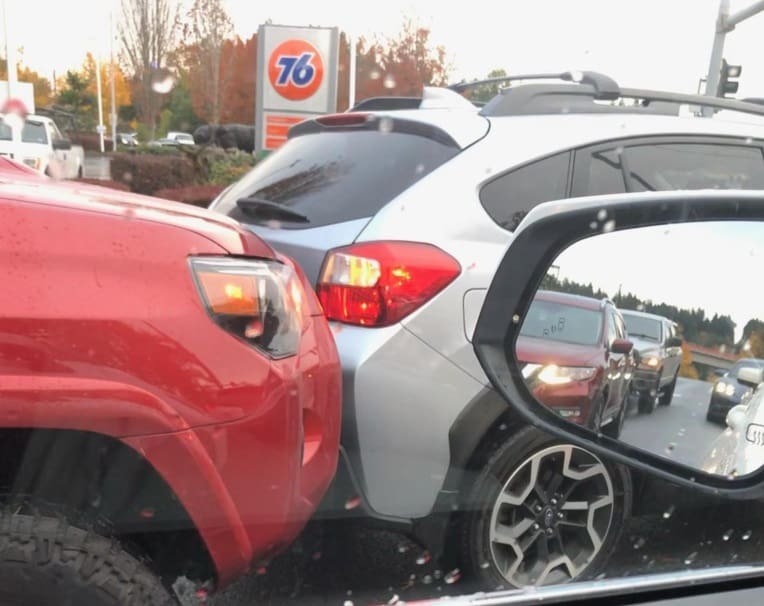
What to do in the event of an auto accident insurance claim
Here’s a clear, practical checklist of what to do after any auto accident when you may need to file an insurance claim. This applies broadly in the U.S. and Canada, but most steps are good practice anywhere.
What To Do After an Auto Accident (For Insurance Claims)
What To Do After an Auto Accident (For Insurance Claims)
1. Ensure Safety First
- Move to a safe location if possible.
- Turn on hazard lights.
- Check yourself and passengers for injuries.
- Call emergency services if anyone is injured.
2. Call the Police
Even for minor accidents, having a police report helps your claim.
Tell the dispatcher:
- Location of the accident
- Whether anyone is injured
- Number of vehicles involved
Police reports provide official documentation that insurers rely on.
3. Do NOT Admit Fault
Keep communication factual.
You should:
- Explain what happened
- Exchange information
Do not say “It was my fault,” even casually—insurance companies determine fault.
4. Exchange Information With the Other Driver
Collect:
- Name, phone, address
- Driver’s license number
- License plate
- Vehicle make/model/year
- Insurance company + policy number
- Claim phone number on their insurance card
Also get passenger names and witness contact info.
5. Document Everything on the Scene
Use your phone to take clear photos of:
- All vehicle damage (close-up + wide shots)
- Skid marks, debris, road conditions
- Traffic signs or signals
- Injuries (if any)
- The other vehicle’s VIN and license plate
Also record:
- Time, date, and weather conditions
- A voice memo describing what happened
6. Notify Your Insurance Company ASAP
Most insurers require prompt reporting — sometimes within 24–48 hours.
When you call:
- Provide the facts of the accident
- Share the police report number
- Give photos/evidence
- Provide all other driver info
They’ll open a claim and assign an adjuster.
7. Get a Copy of the Police Report
The insurer often requests the report number, but later they may ask for the full document.
You can usually get it from:
- The investigating police department
- An online portal (depending on your region)
8. Follow Up With Medical Care (If Needed)
Even if you feel fine:
- Injuries like whiplash can appear hours or days later
- Medical documentation supports injury claims
Keep copies of:
- Medical bills
- Treatment notes
- Prescriptions
- Time away from work
9. Work With the Insurance Adjuster
The adjuster may:
- Inspect your vehicle
- Ask for additional info
- Interview witnesses
- Coordinate repairs or total-loss evaluation
Be honest and responsive — it moves your claim forward faster.
10. Keep Records of Everything
Store:
- Claim numbers
- Emails and letters
- Photos
- Receipts for towing, rental cars, repairs
Good documentation = fewer delays.
Quick Reference Checklist
Right after accident:
- Ensure safety
- Call police
- Exchange info
- Take photos
- Gather witness info
Within 1–2 days:
- Notify your insurer
- Get police report
- Seek medical care if needed
After reporting:
- Cooperate with adjuster
- Track all expenses
- Follow repair or medical steps
Categories: Blog
Tags: auto insurance, auto insurance companies in Washington state, auto insurance everett wa, auto insurance quote everett wa, auto insurance Washington state, best auto insurance company washington state, best auto insurance in washington state, Car Insurance, car insurance everett wa, car insurance in washington state, Car Insurance Washington State, insurance agency everett wa, insurance agent everett wa, insurance everett wa, insurance quote everett wa, the miller insurance agency everett wa