April 24, 2026
millerins
Are Aftermarket Mods Covered by Auto Insurance?
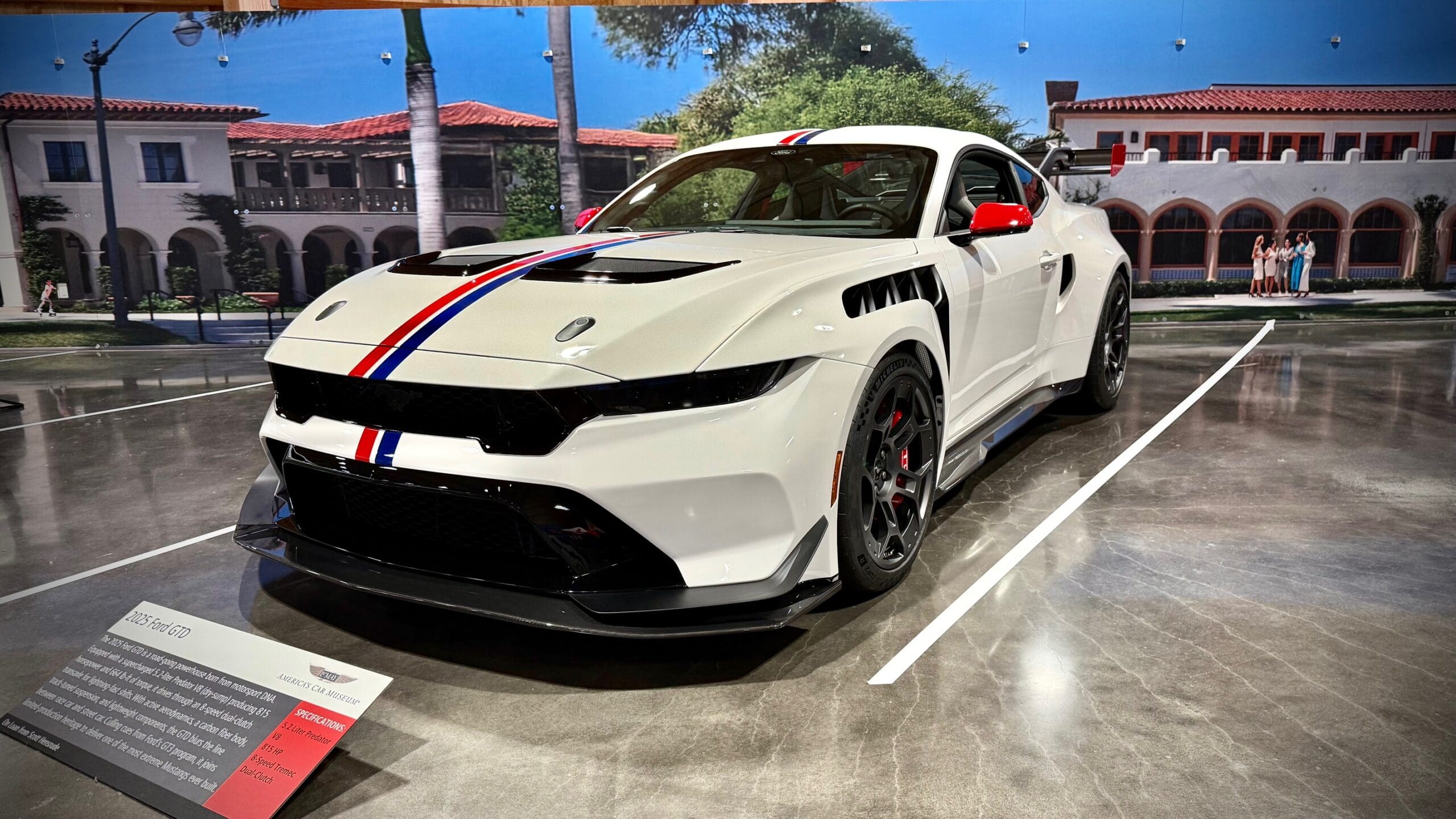
The short answer: usually no—aftermarket equipment is not automatically fully covered unless certain conditions are met.
Here’s how it typically works in U.S. auto insurance policies:
What Counts as Aftermarket Equipment?
Aftermarket (or “custom”) equipment includes anything added after the car left the factory, such as:
- Lift kits or lowering kits
- Custom wheels or tires
- Performance modifications (turbo, exhaust, suspension)
- Stereo systems, subwoofers, screens
- Truck accessories (toolboxes, bed liners, winches)
- Lighting upgrades or custom paint/wraps
What Is Usually Covered Automatically?
Most standard auto policies include limited coverage for aftermarket parts under comprehensive and collision—often:
- $500–$1,000 total, not per item
That means if you have $5,000 in modifications and the car is stolen or totaled, you may only get a small portion back.
What Is Not Fully Covered Unless You Act?
You typically need extra coverage if:
- The equipment is valuable
- It’s permanently installed
- It significantly increases the vehicle’s value
- It affects performance or safety
Without this, insurers usually pay only the vehicle’s factory value, not the upgraded one.
How to Make Sure You’re Covered
You have a few common options:
1. Custom Parts & Equipment (CPE) Endorsement
- Adds coverage specifically for aftermarket equipment
- Coverage limits are chosen by you (e.g., $5,000, $10,000)
- Often requires receipts or documentation
2. Stated Value or Agreed Value Coverage
- More common for heavily modified or specialty vehicles
- The vehicle value is agreed upon ahead of time
- Better protection for high-end builds
3. Receipts & Photos
Even with endorsements, insurers usually expect:
- Proof of purchase
- Installation records
- Photos of the equipment
Important Things Many People Miss
- Undisclosed mods can cause claim issues
Performance mods especially may affect underwriting. - Some mods increase premiums
(e.g., performance upgrades, large lifts) - DIY installations may be treated differently than professional installs
- Temporary/non-permanent items (like removable electronics) may fall under personal property limits—or not at all
Best Recommendation
If you add anything that would hurt financially to lose, call your insurer before or right after installation and ask:
- “How much aftermarket equipment do I currently have coverage for?”
- “Can I add a custom equipment endorsement?”
- “Will this modification affect my premium or eligibility?”
Categories: Blog
Tags: auto insurance, auto insurance companies in Washington state, auto insurance everett wa, auto insurance quote everett wa, auto insurance Washington state, best auto insurance company washington state, best auto insurance in washington state, Car Insurance, car insurance everett wa, Car Insurance Washington State